Not long ago, generative AI felt experimental. In the recent CHRO & Talent Leader Meeting in Basel, hosted by Novartis, the tone was different across 40 CHRO and Talent Leaders. The question was no longer whether AI would reshape HR, but how fundamentally. Here are some highlights of what was discussed.
Rewiring the HR Operating Model
AI is already embedded across recruiting, onboarding, service delivery, and learning. In high-volume environments, conversational agents and automation are reducing cycle times and administrative load.
But the discussion in Basel moved beyond efficiency. As AI absorbs transactional work, HR’s role is shifting toward stewardship — ensuring coherent integration, managing risk, and maintaining human oversight. Several leaders noted how multiple tools could add complexity and emphasized the importance of a seamless front-end experience.
The operating model of the future will likely be organized less around traditional service silos and more around integrated human–AI value flows. And one member noted, "With all these changes, maintaining a clear north star for HR’s role in the organization should be a constant.”
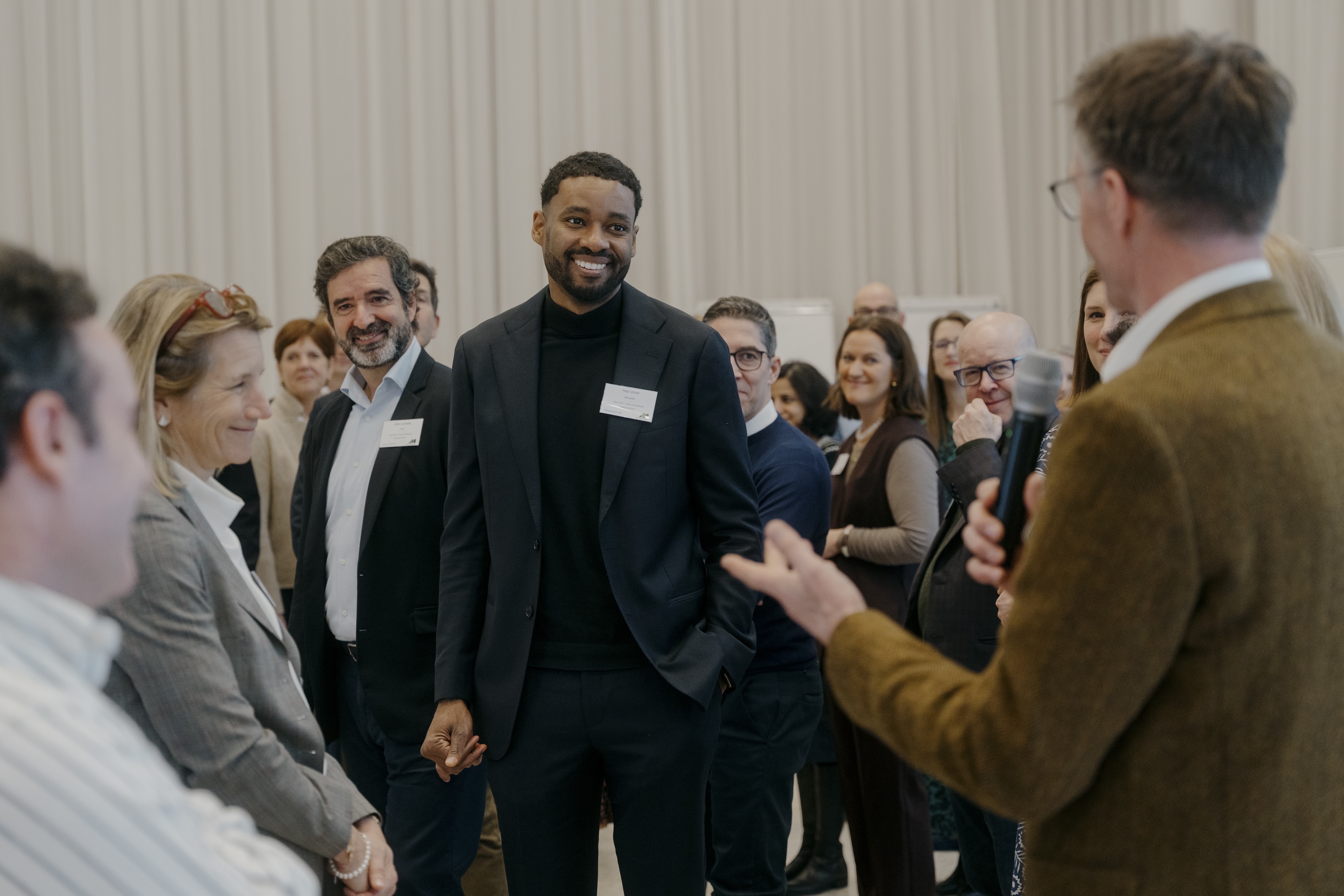
Skills as the Organizing Principle
Leaders questioned whether organizations are truly redesigning work around skills or simply relabeling jobs.
Automation is steadily reducing routine tasks, particularly in entry-level roles that historically served as development pathways. Without deliberate redesign, early-career pipelines risk erosion.
There was broad agreement that skills frameworks cannot sit parallel to jobs. They must become the foundation for hiring mobility, development, and workforce planning, supported by dynamic skills data rather than static role descriptions. That same data should inform not only how roles are redefined, but which tasks can be automated - while clarifying where human judgment or interaction remains essential. Determining which tasks remain human is both an ethical question and a cultural one, closely tied to company values.
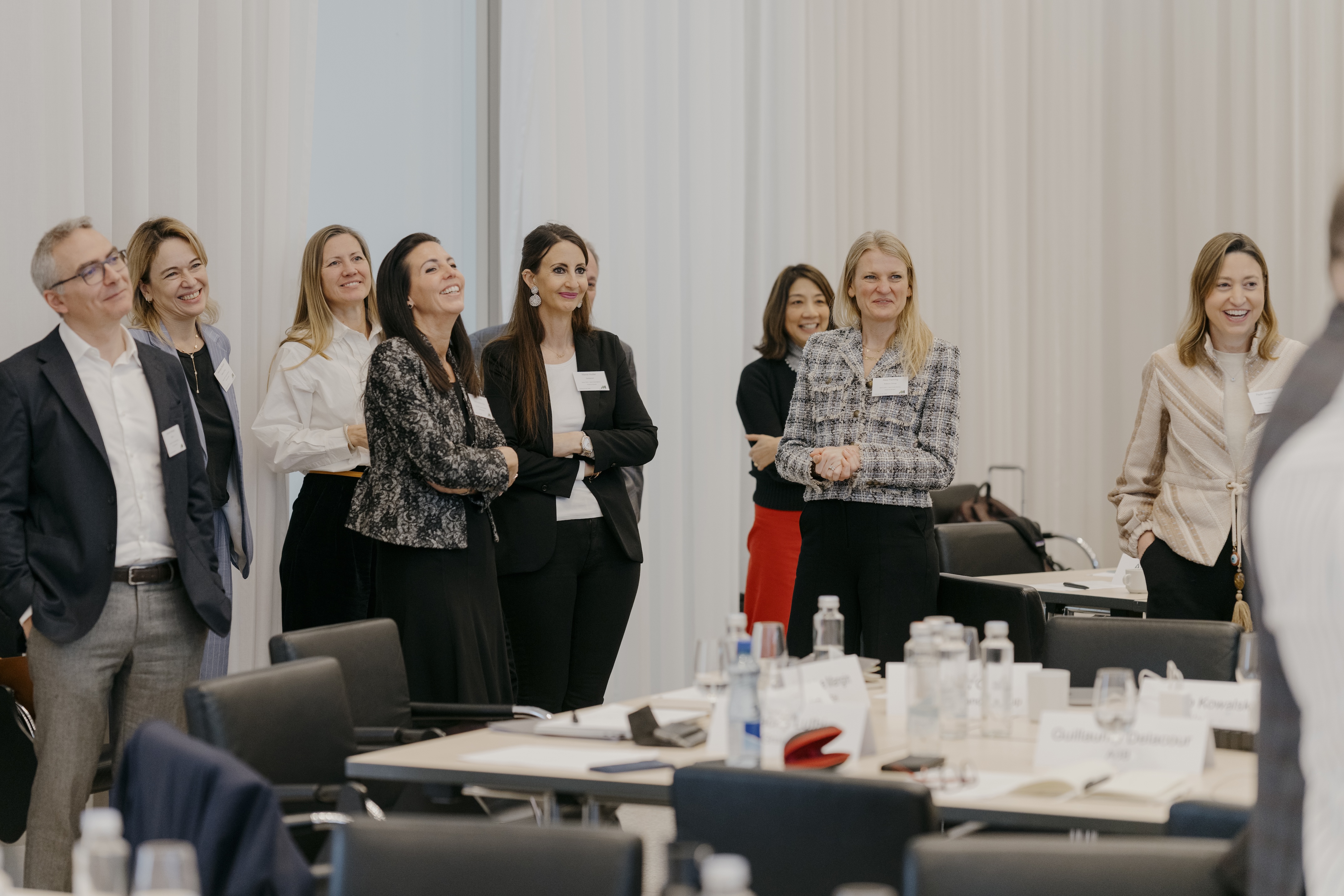
Leadership in an AI-Enabled Enterprise
AI is increasingly influencing talent identification, succession planning, and decision support. While accountability remains human, insight is increasingly digitally augmented.
Three leadership capabilities surfaced repeatedly: systems thinking to navigate interconnected human–AI workflows; judgment under augmentation to know when to trust or challenge AI; and ethical stewardship to ensure fairness and transparency at scale.
Development is evolving as well. AI-enabled coaching and learning tools are embedding support directly into daily work. But participants were clear: AI may enhance development, yet trust, judgment, and relational intelligence remain distinctly human responsibilities.
The discussion also underscored the importance of personal experimentation. If leaders expect their organizations to embrace AI, they must be engaging with it themselves.
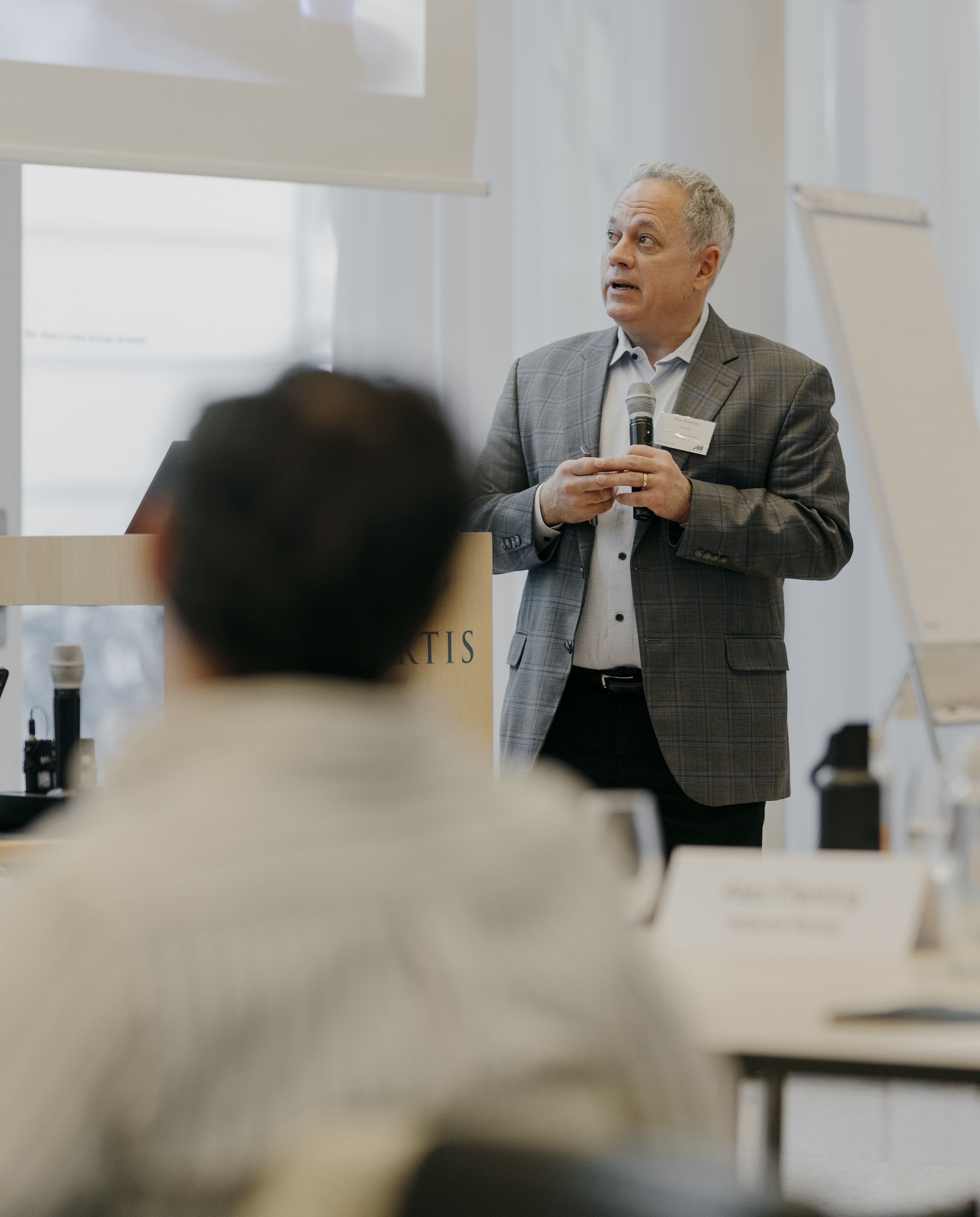
Structural Courage
Leaders agreed that resistance to AI is rarely technical. It is structural and cultural.
Redesigning work challenges legacy roles, siloed ownership, and established hierarchies. Several noted that parts of today’s HR operating model may not endure. Protecting transactional work or fragmented systems risks limiting scale and impact.
In this context, courage means simplifying architecture, shifting capacity toward enterprise design, and helping shape business strategy. HR’s role, therefore, extends beyond these structural changes to actively supporting leaders through the uncertainty.

The Implication
As the Basel meeting concluded, the prevailing message was clear: HR’s role is not to support transformation from the sidelines, but to architect it. The challenge ahead is less about technology and more about organizational design and cultural transformation.