M1 editorial partner Charter spoke with the authors of a recent benchmarking study about how DEI budgets and training are evolving.
Even with continued attacks on diversity, equity, and inclusion (DEI), 85% of executive teams remain committed to building representative and inclusive workplaces and 81% report their budgets for this work will stay the same or increase this year, according to the 2025 DEI Benchmarking Study from Paradigm, a firm that provides services related to culture and inclusion.
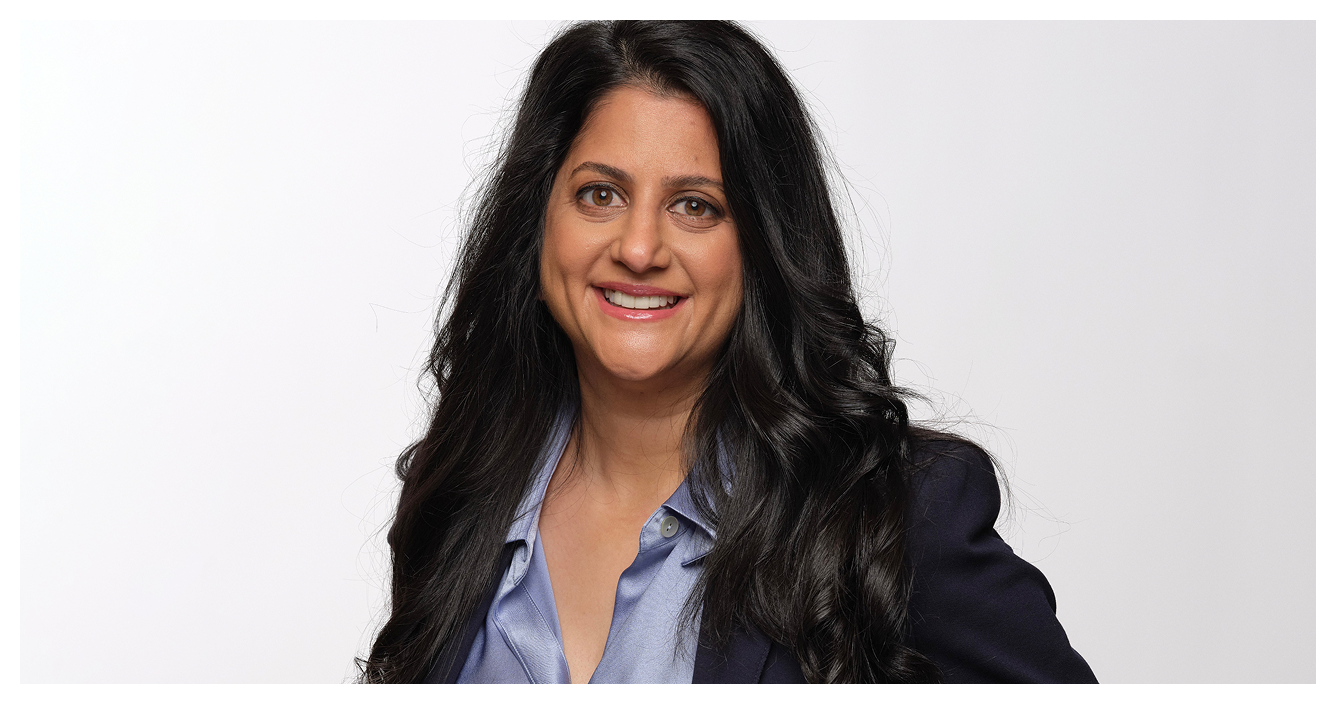
Charter spoke with Joelle Emerson, CEO and co-founder of Paradigm, to learn more about the report’s findings and the changes organizations are actually making to their DEI strategies. Here are excerpts from the conversation, edited for length and clarity:
Headlines often give an inaccurate picture of what’s going on with DEI— how do you see the survey results diverging from media narratives?
Companies are in a really tough position right now of having to thread a nearly impossible needle of having to avoid corporate activists and try to reduce risk and scrutiny while still doing the things that they believe will help them build better workplaces. What we see from the data is that those goals don't appear to have changed.
Slightly surprising to me, budgets for this work don't appear to have changed. But how companies are doing this work has changed. We're seeing organizations shift away from things that are highly scrutinized and that are showing up in litigation like representation goals, like using the acronym DEI, having programs that are only available or open to people from particular backgrounds, which the Equal Employment Opportunity Commission (EEOC) specifically gave guidance that it does not consider to be lawful.
{{DEICharter_quote}}
But they’re doubling down on things that embed their efforts. Companies say they're doing even more in the year ahead to invest in inclusive core talent practices, which is one of the most impactful things you can be doing, and they’re continuing to maintain their benefits even in areas like transgender-inclusive healthcare as the trans community is under attack. We’re also seeing a large majority continuing to do learning in this space, even though we’re seeing anecdotally among our customers that the content and the types of learning that they're doing might be evolving. Companies are still working to equip their employees to contribute to healthy cultures that attract people from all backgrounds and evaluate people fairly and where people across identities can feel a sense of belonging.
What we're not seeing is this binary where organizations are saying yes or no to ‘DEI.’ Organizations across sectors and across sizes are evolving in relatively similar ways that seem to be focused on preserving impact while doing their work in a more enduring, sustainable way.
In the report, you discuss the importance of inclusive benefits. What does that look like in practice?
We've heard pretty progressive conversations around employee benefits as a way to counter some of the other trends that people are experiencing out there in the world. How do we create a workforce where, when people come to work here, we have the benefits to support them, whoever they may be? There's this overly simplified understanding of what DEI is—that it's just about hiring programs, when really it's this broad and comprehensive set of things organizations do to try to make their workplaces work for everyone.
Parental leave is a huge part of that. We've spent a lot of time over the past decade helping organizations mature their parental leave policies. For example, encouraging organizations not to differentiate between primary and secondary caregivers or encouraging organizations to consider wellness benefits and more mental health benefits. Anecdotally, the conversations we're seeing around transgender-inclusive healthcare benefits have been really interesting. We're hearing a lot of organizations considering how they can double down on these benefits, especially if they operate in states where insurance coverage may be changing. How do we make sure that we are creating a place where trans employees feel safe and can get the medical care they need while this group is under attack, even if that might mean we have to have a self-pay option for certain types of benefits?
{{WellbeingVermont_event}}
How are organizations evolving learning opportunities, given the EEOC guidance preventing organizations from retaliating against employees opting out of certain kinds of DEI training?
The EEOC guidance was really interesting because mostly what it focused on is trainings that either separate people into different identity groups in order to take the training or trainings that could create a hostile work environment in their content. For example, a training that says all white people are racist. Most trainings that have been categorized as DEI trainings don't do either of those things.
Existing case law suggests that organizations do have a right to ask employees to participate in trainings that will further their workplace values and will help people comply with their workplace policies. So much of this work is about effective communication, and so much of the evolution of this moment is around how we communicate more effectively about what we're doing. Does it feel relevant to the work people are doing? Is it actually tied to something that's happening in their role or something that's happening in the organization?
One thing you can do is just not call something a DEI training if in fact it's a training about giving effective performance feedback or it's a training about how to make sure that everyone on our team has a voice. Our clients have really thought about how to be specific about what we're doing and the outcomes we're trying to drive through these things.
{{AdminMeeting_furtherreading}}
We've also seen a trend in the learning space of moving towards skills-based training. We're not seeing as many organizations do general introductions of concepts—‘Here's what bias is,’ or ‘Here's what a micro aggression is’—and a lot more skills-based learning on ‘Here's how you distribute work more consistently,’ or ‘How do you run a one-on-one to make sure you're using everyone's time effectively?’ Or, ‘What do you do if you’re sitting in a meeting and you’re seeing a colleague get interrupted repeatedly? What skills can you use to make sure that everyone has a voice, even if you’re not leading the meeting?’ We’re also seeing learning that's being woven into existing workflows. For example, managers might be pushed a micro-learning on giving effective feedback right before a performance review cycle.
You mentioned the report’s finding that a majority of organizations report their DEI budgets remain unchanged. Given the cuts to some more costly programs and the investments in relatively low-to-no-cost programs like shoring up hiring processes, where is the budget going?
First of all, one notable thing is that organizations did have budget cuts before the election, unrelated to the executive orders, and many organizations cut their budgets for this work pretty substantially. Some of those earlier cuts could have been a response to the changing dynamics in this space or a realization that they had over-invested in 2020 and 2021 and those efforts were not sustainable. What we're asking is, ‘As a result of the changing dynamics this year, is your budget evolving?’ We're not saying that there haven't been any budget changes since 2020.
{{01JVAE9CMV271PTSKEKJ55JR9V}}
Even with that said, I was surprised by this finding too. Some of this is a shift in budget. For example, if you no longer need two diversity data analysts because you now have technology that helps you understand your data, could you expand the range of heritage months that you celebrate? Overall, we’re seeing a lot of organizations broaden their efforts and asking, ‘How do we go broader without losing the depth for the groups that experience the most unfairness in our workplace?’ That takes additional resources.
Another shift might be in the assessments of DEI efforts organizations have been doing over the past three months, which feels so wasteful. Organizations have had to hire outside law firms to evaluate their strategy and evaluate risk. Or they’re hiring an external PR firm because they’re getting attacked by an activist investor. That’s real money that companies are spending, and a lot of money in some cases. I'm going to be interested to see if, when some of the dust settles on some of what's happening now—I don't know exactly when that's going to be, but let's say Q3 of this year—how are companies going to be spending their budgets when there's not as much spend on responding to this moment which is happening right now.
{{hr}}
Michelle Peng is a senior reporter for Charter, a media and insights company that publishes articles, shares original research and hosts events for workplace decision-makers. This content is brought to you through M1's partnership with Charter. More information about gift subscriptions for our members can be found here.
Copyright 2025, Charter. This article is reprinted with permission from Charter. All rights reserved.